

buddha
-
Posts
16,299 -
Joined
-
Last visited
-
Days Won
59
Content Type
Profiles
Forums
Events
Blogs
Store
Articles
Everything posted by buddha
-
05/17/2026 1:40p EDT Toronto Blue Jays at Detroit Tigers
buddha replied to casimir's topic in Game Threads
what a ****ty season. -
5/17/26 8:00PM RD2 GM7 Cavs (3-3) @ Pistons (3-3)
buddha replied to Tigeraholic1's topic in Detroit Pistons
come on, duren. jfc. -
5/17/26 8:00PM RD2 GM7 Cavs (3-3) @ Pistons (3-3)
buddha replied to Tigeraholic1's topic in Detroit Pistons
he will if the refs call that matchup the same way they call any harden/mitchell matchup with detroit. -
5/17/26 8:00PM RD2 GM7 Cavs (3-3) @ Pistons (3-3)
buddha replied to Tigeraholic1's topic in Detroit Pistons
Our old friend JEIII article today about how the knicks would rather play the cavs than the pistons. basically because the cavs are soft. he also says the knicks should beat either team. i think that's overrating the knicks. or perhaps he thinks the pistons are not very good without difference maker isaiah livers? -
is buium hurt, or a healthy scratch?
-
i get that the goal was great, but that's the year they set the points record and were supposed to roll in the playoffs. instead they almost lost to st louis and then got whooped by colorado in 6. not a great memory for me.
-
5/15/26 7:00PM RD2 GM6 Pistons (2-3) @ Cavs (3-2)
buddha replied to Tigeraholic1's topic in Detroit Pistons
i also really hate cleveland fans. i remember them from the 90s too. They were very annoying AND cocky. like "were not from detroit" as if cleveland was a much better city. the indians hadnt won anything in forever (and still havent), and they came in and acted like they were superior to the tigers historically. i ran into cleveland fans in napa of all places and they were talking a lot of smack. not like in a funny way, but in a serious "**** detroit, you suck" way. so cleveland can go **** itself. -
5/15/26 7:00PM RD2 GM6 Pistons (2-3) @ Cavs (3-2)
buddha replied to Tigeraholic1's topic in Detroit Pistons
people in cleveland dont read. -
5/15/26 7:00PM RD2 GM6 Pistons (2-3) @ Cavs (3-2)
buddha replied to Tigeraholic1's topic in Detroit Pistons
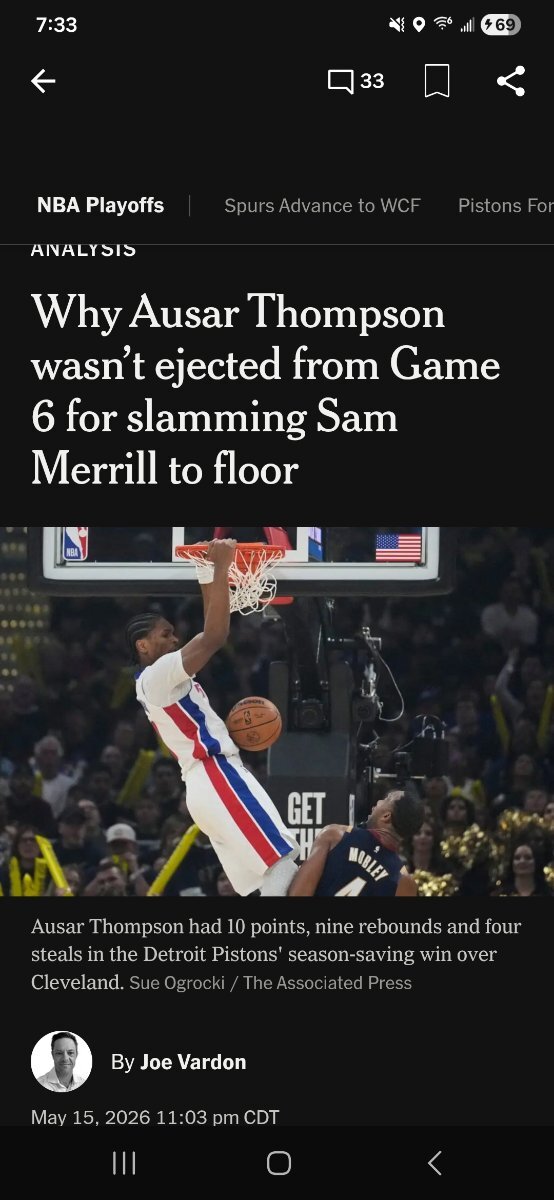
Cleveland sports writers think ausar should have been thrown out of the game for having the temerity to run through a moving pick. go read it and laugh.
-
5/15/26 7:00PM RD2 GM6 Pistons (2-3) @ Cavs (3-2)
buddha replied to Tigeraholic1's topic in Detroit Pistons
not only that, but the pistons blew out the knicks each time they played. -
5/15/26 7:00PM RD2 GM6 Pistons (2-3) @ Cavs (3-2)
buddha replied to Tigeraholic1's topic in Detroit Pistons
new york wants cleveland. they were 2-1 v cleveland this year and 0-3 v detroit. ausar can guard brunson. cleveland has no one who can guard brunson. -
5/15/26 7:00PM RD2 GM6 Pistons (2-3) @ Cavs (3-2)
buddha replied to Tigeraholic1's topic in Detroit Pistons
-
5/15/26 7:00PM RD2 GM6 Pistons (2-3) @ Cavs (3-2)
buddha replied to Tigeraholic1's topic in Detroit Pistons
i think whatever team wins game 7 will win game 1 against the knicks. too much time off for new york. -
None of the liberal justices publicly dissented.
-
that's pathetic.
-
5/15/26 7:00PM RD2 GM6 Pistons (2-3) @ Cavs (3-2)
buddha replied to Tigeraholic1's topic in Detroit Pistons
ben wallace is my second favorite piston behind isiah and just ahead of laimbeer. cade is 4th but rising every day. -
5/15/26 7:00PM RD2 GM6 Pistons (2-3) @ Cavs (3-2)
buddha replied to Tigeraholic1's topic in Detroit Pistons
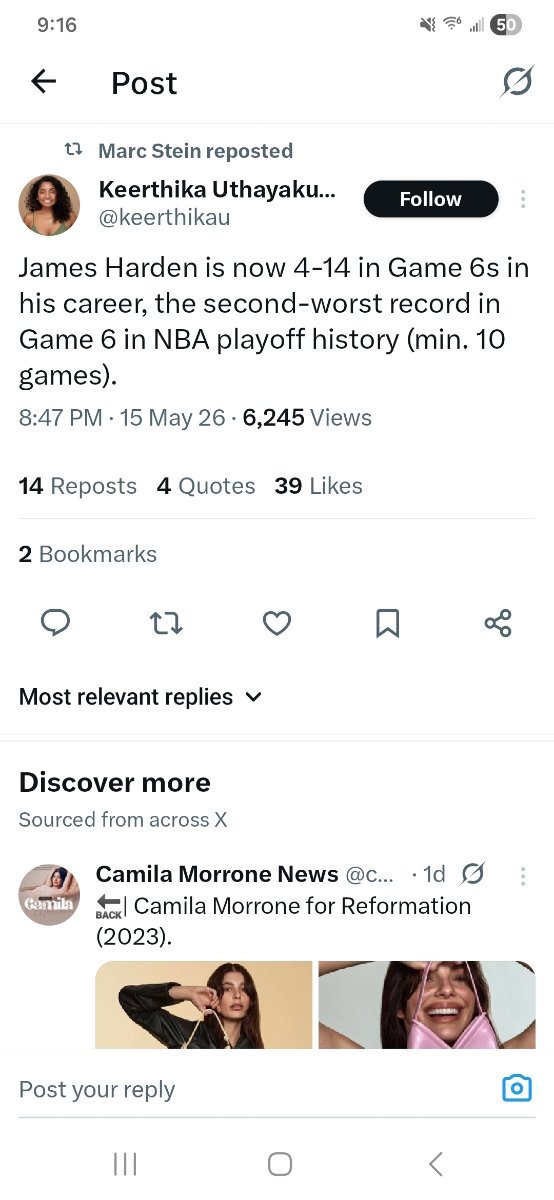
the key play in the game was wade slipping on the same spot where harden flopped a minute before. KARMA!!!!!! the basketball gods have finally had enough. -
5/15/26 7:00PM RD2 GM6 Pistons (2-3) @ Cavs (3-2)
buddha replied to Tigeraholic1's topic in Detroit Pistons
-
5/15/26 7:00PM RD2 GM6 Pistons (2-3) @ Cavs (3-2)
buddha replied to Tigeraholic1's topic in Detroit Pistons
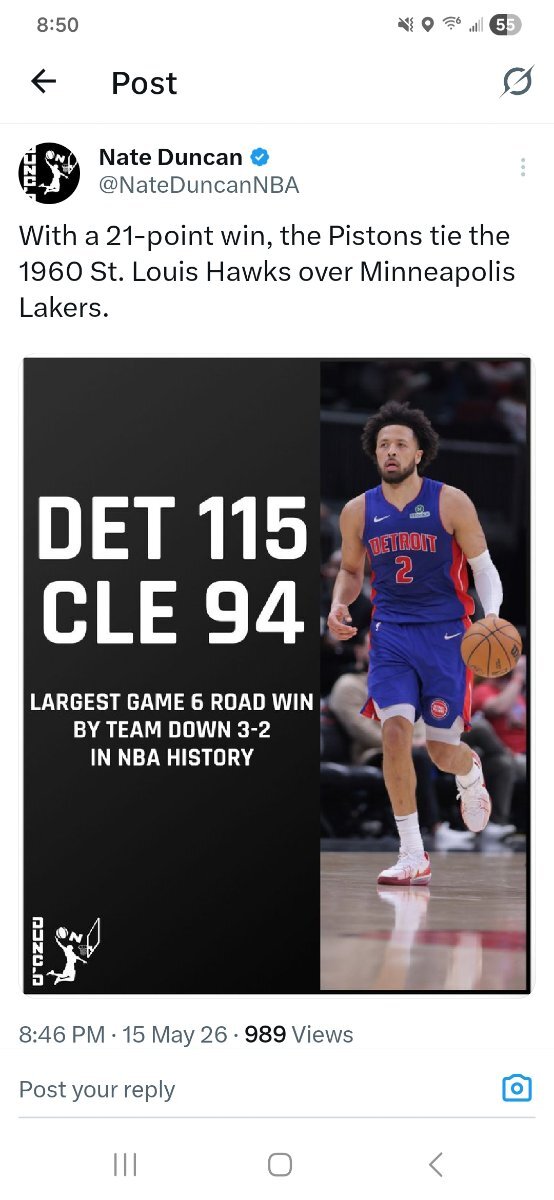
what a great win. -
5/15/26 7:00PM RD2 GM6 Pistons (2-3) @ Cavs (3-2)
buddha replied to Tigeraholic1's topic in Detroit Pistons
you were right! 🙂 -
5/15/26 7:00PM RD2 GM6 Pistons (2-3) @ Cavs (3-2)
buddha replied to Tigeraholic1's topic in Detroit Pistons
is there a fire drill? why are all the cleveland fans leaving? -
5/15/26 7:00PM RD2 GM6 Pistons (2-3) @ Cavs (3-2)
buddha replied to Tigeraholic1's topic in Detroit Pistons
hell yeah!!!!!! BYE CLEVELAND! head back to your trailer park! -
5/15/26 7:00PM RD2 GM6 Pistons (2-3) @ Cavs (3-2)
buddha replied to Tigeraholic1's topic in Detroit Pistons
i'm not a "blame the refs" type of guy, but this is ****ing ridiculous. -
5/15/26 7:00PM RD2 GM6 Pistons (2-3) @ Cavs (3-2)
buddha replied to Tigeraholic1's topic in Detroit Pistons
what's worse? watching these refs **** the pistons, or listening to candace and dwyane try to justify every call? -
5/15/26 7:00PM RD2 GM6 Pistons (2-3) @ Cavs (3-2)
buddha replied to Tigeraholic1's topic in Detroit Pistons
WHAT A ****ING JOKE